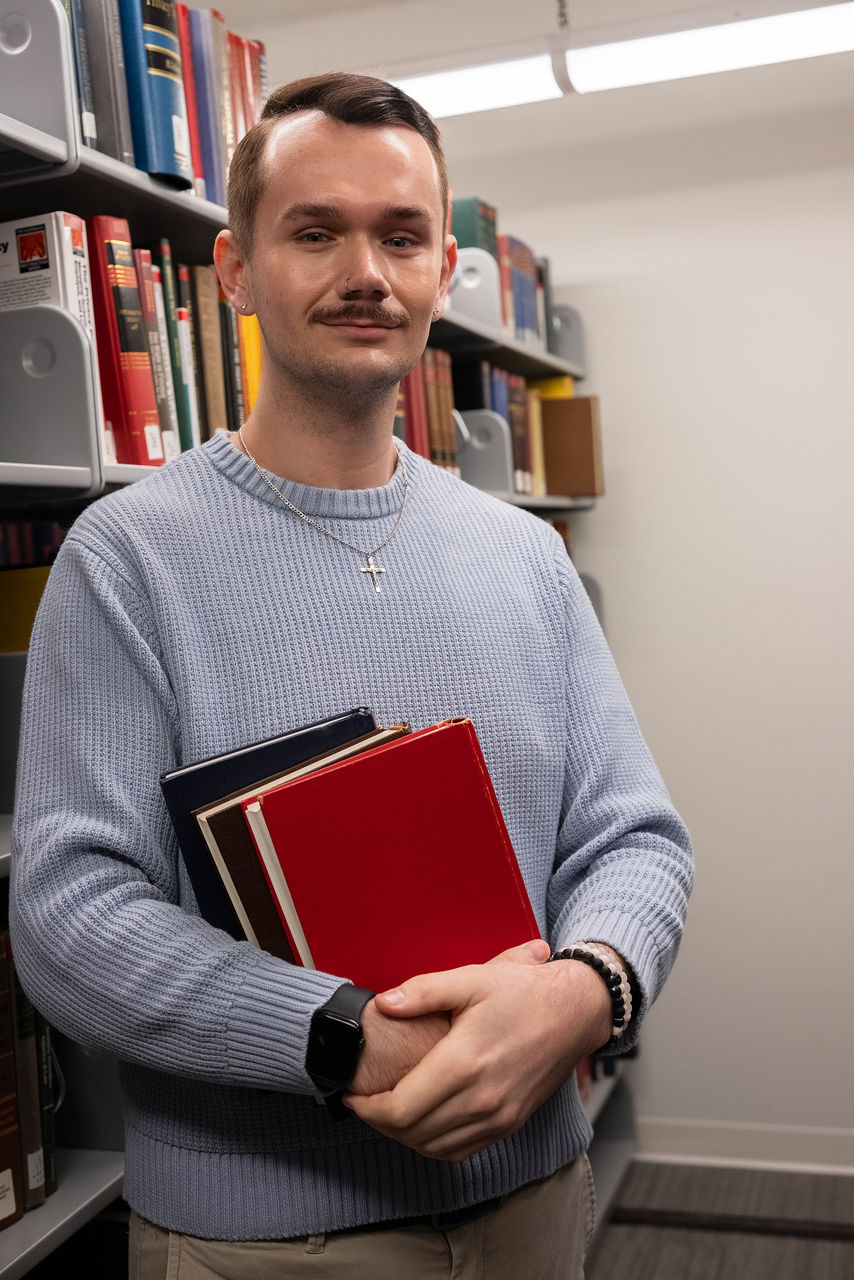
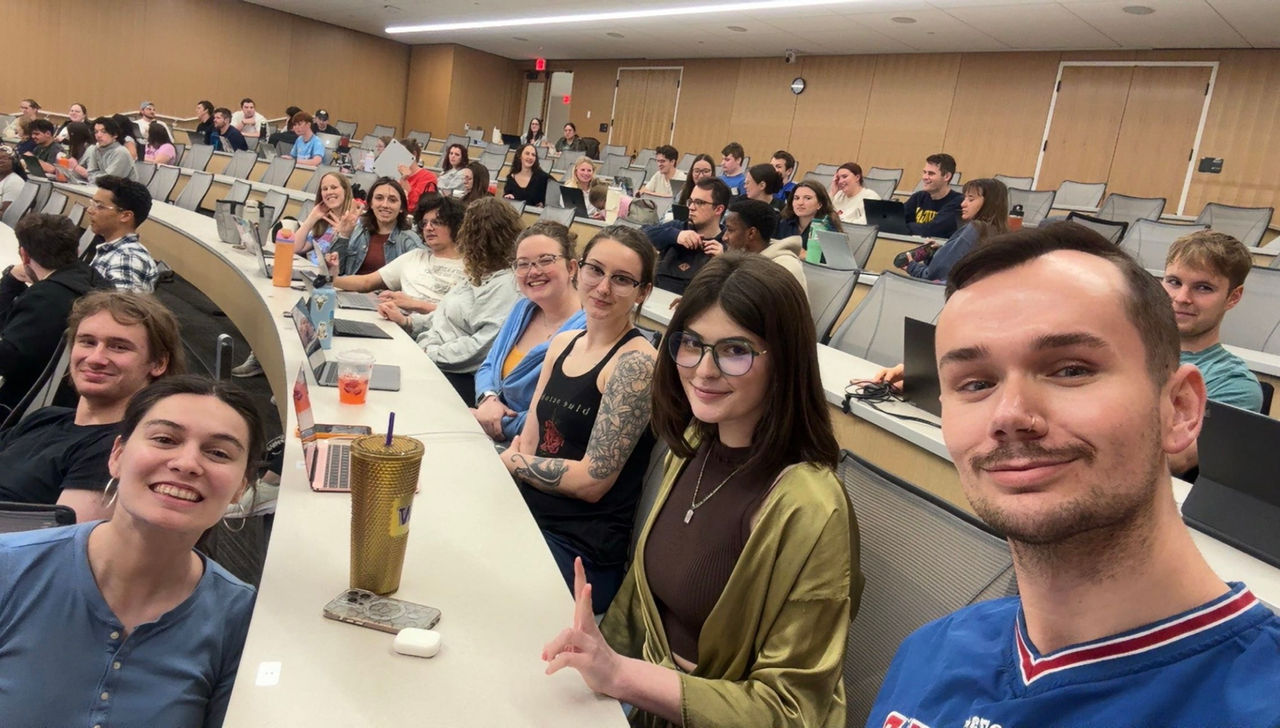
Robby Belt (JD, ‘27) at the University of Cincinnati College of Law

Robby Belt on Cincinnati, Land Use, and Finding His Place

On Orientation Day, Robby Belt (‘27) arrived at Cincinnati Law wearing a light blue suit. He knew he’d stand out as the only male student in a sea of black, navy, and gray, “Being gay coming to law school, I was worried because law is such a conservative field,” he said. But he wore it anyway.

Growing up the youngest of three in a Southern Baptist family, Robby was the definition of a straight-A student. The first of his family to be valedictorian, a member of the National Honors Society, and a talented saxophone player, he was known as a high achiever. With this reputation to uphold among his churchgoing friends and family, it was no coincidence that Robby remained closeted for most of his teenage years.

“It was ingrained in me from a young age that being gay is sinful,” he said. “Being the straight-A student who excelled in everything, I worried that coming out would ruin my persona.”

Coming out was complicated. “My family struggled at first, but now they’re very accepting,” he said. By the time he reached undergrad, Robby was done with conforming as a way to protect his social standing.

As a law student, Robby now sees self-expression as something he has not only earned, but a way to show up authentically as a future attorney, “I’m very comfortable in my own skin now,” he said. “Yes, the law is conservative. But there are little things I still do to stay true to myself. And Cincinnati Law does a good job of promoting diversity.”

One of the ways he has stayed true to himself is his chosen career path. While many students from disenfranchised backgrounds excel in public interest law, Robby has found his passion in real estate and land use.

“Transactional corporate work is mostly straight white men,” he said. “But real estate law aligns with my skillset—and I want a career where burnout is manageable because I’m passionate about the work.”

Andrew Geraghty

Initially, this career choice came as a surprise to Robby, who entered law school thinking he’d pursue health law. But when the Center for Professional Development paired him with a mentor who worked at Dinsmore & Shohl as a practicing real estate lawyer, he was inspired by his work defending local homeowners.

His mentor was opening his eyes to new possibilities, but he wasn’t sold yet.

Then, with his mentor’s encouragement, after his 1L year Robby applied for a summer position at the Entrepreneurship and Community Development Clinic (ECDC), directed by Professor Sean Mangan. Typically reserved for 3Ls during the school year, summer positions for 1Ls were competitive, and once accepted, Robby found himself questioning whether he belonged.

“I was initially nervous—unsure of how I’d fit in,” he said. “But over the summer, my classmates and I got close and I didn’t feel like I had to mask or assimilate.”

Working for a small real estate business, Robby and his teammate helped prepare documents such as service agreements and form their LLC. It was his first true legal job, and to be successful, they were supported throughout the process by a local real estate attorney and former student of Professor Mangan’s.

“The attorney we worked with was amazing,” Robby said. “After the clinic finished, I sent her a thank you letter and she replied and said that I was one of the best students she’s had in the clinic.”

Her feedback confirmed what Robby was already beginning to sense about his strengths and where his focus should be, “A lot of my friends don't think transactional work is fun, but I actually enjoyed it,” he said. “It feels genuine—having real conversations that lead to the best outcome.”

I was initially nervous—unsure of how I’d fit in. But over the summer, my classmates and I got close and I didn’t feel like I had to mask or assimilate.

The following semester, he enrolled in a real estate course taught by a mother-daughter duo who practice commercial and residential real estate law, respectively. The course sealed the deal.

“People think ‘houses,’ but real estate is everywhere—roads, zoning, businesses, neighborhood design, historic preservation—all of it shapes daily life,” he said. “It directly helps the community.”

As part of this course, students hear from guest speakers—brokers, title insurance professionals, and land use lawyers actively working in the field. When Kevin Tidd, a land use attorney from the City of Cincinnati, spoke about the role of development and preservation in shaping the city, it resonated with Robby.

“Hearing the land use attorneys describe his community impact inspired me,” he said.

Having grown up in Evansville, Indiana where ongoing construction is often joked about by locals as, “the city that’s always bettering herself,” Robby was struck by Cincinnati’s intentionality with development. “Traveling through 30+ states, I’ve seen places become gentrified—communities driven out, culture erased, everything replaced with bland corporate aesthetics,” he said. “It reminds me of that SpongeBob episode with the identical houses—no character.”

Living in Cincinnati felt different to Robby, “Renovations in Cincinnati feel purposeful. Wherever you go, you feel connected to the history.”
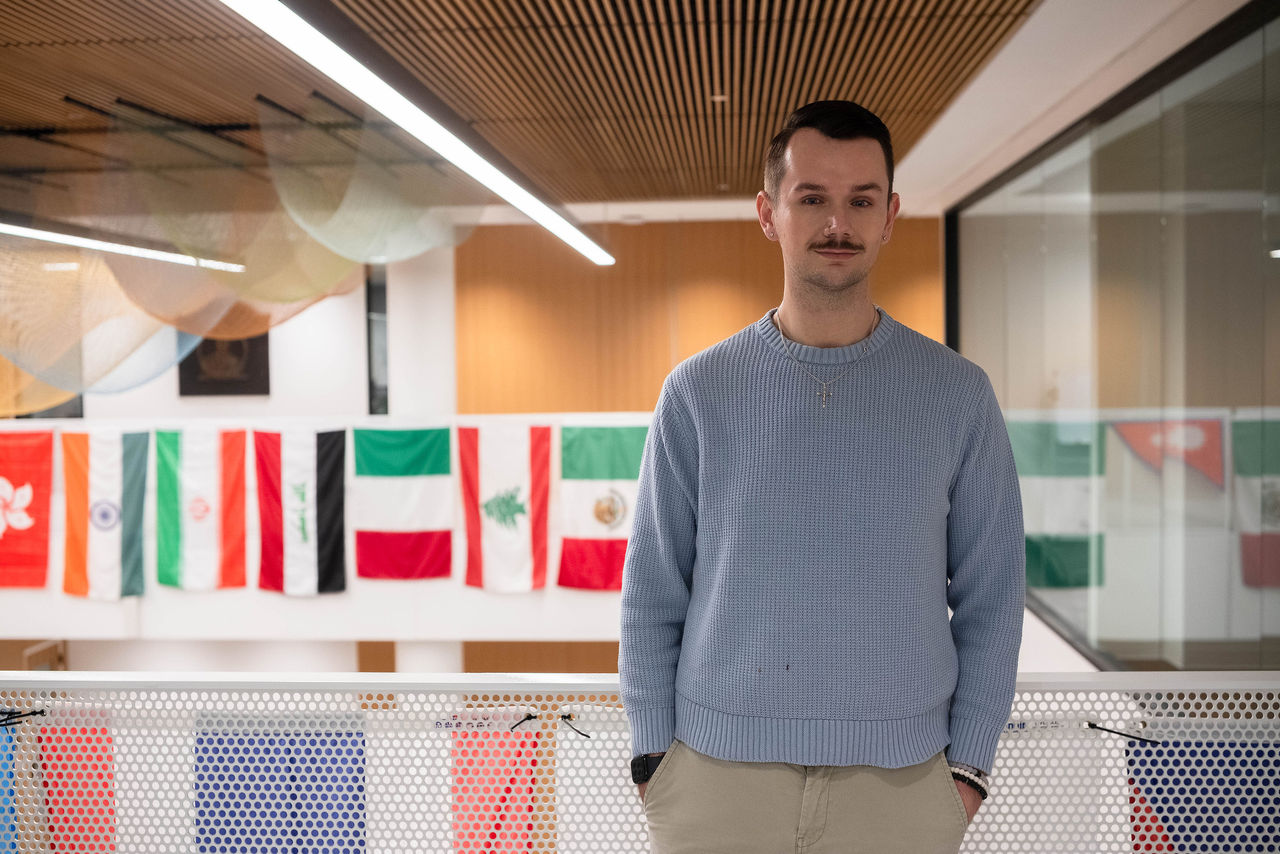
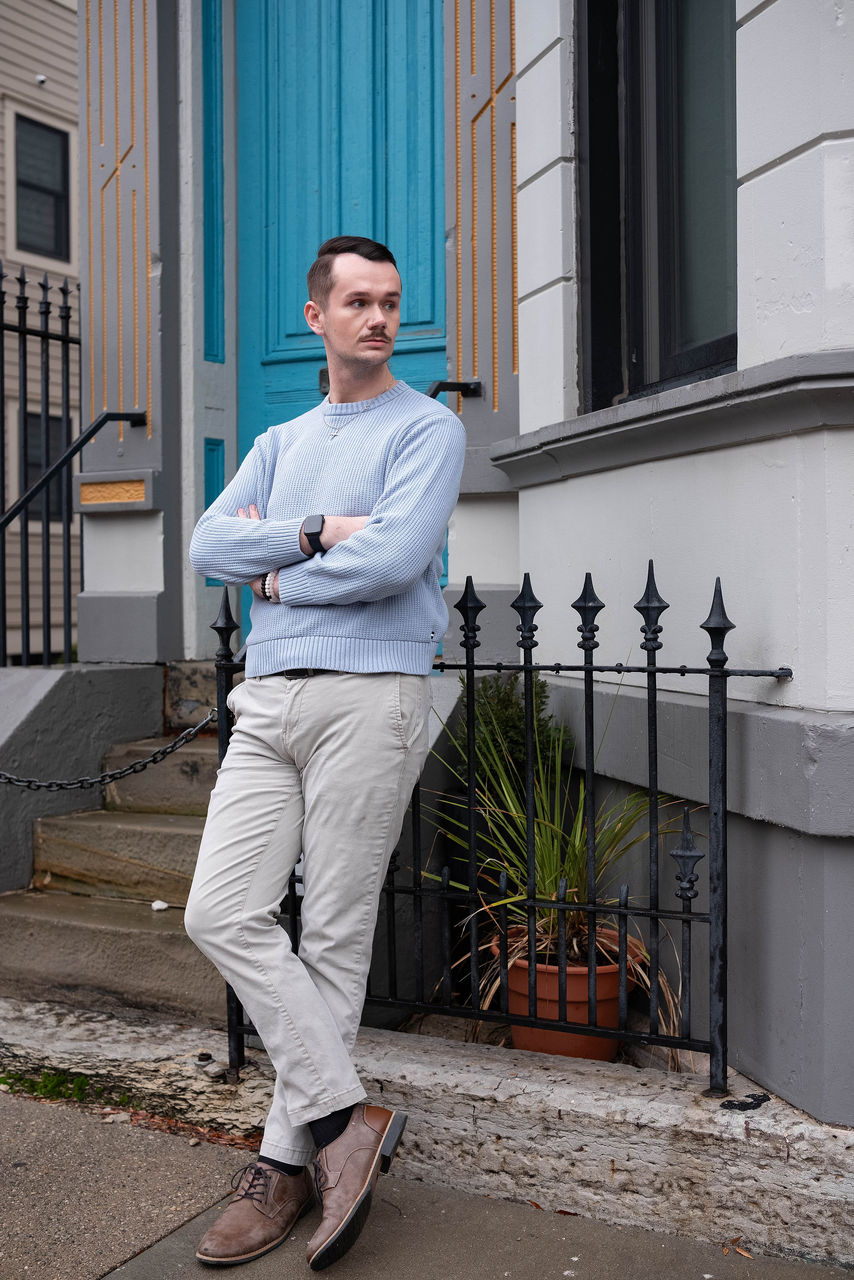
“At Cincinnati Law, they really want to get to know you personally, so they can help you do better. That sense of belonging is what drew me here and it's stayed with me."


- Robby Belt '27

Drew Dear

After an enthusiastic follow-up email to Attorney Tidd, Robby was offered an externship with the City of Cincinnati’s Land Use Department. Beginning this spring, he will assist with planning meetings and support ongoing projects aimed at preserving the city’s character. “I hope my work there can directly impact the Cincinnati community in positive ways,” he said.

While transactional law is not the path many of his close friends and fellow LGBTQ+ classmates are taking, Robby sees value in bringing representation to a space where gay men are less visible.

“Many of my friends are going into civil rights work—putting their identities to work as advocates,” he said. “I still bring my identity to my work, just as an ordinary attorney. Diversity benefits everyone.”

Now more than halfway through his 2L year, Robby admitted that to the perfectionist in him, getting here wasn’t as easy as he’d hoped. His first semester especially was shaped by challenges with imposter syndrome, burnout, and missing home. But his time in law school has also been marked by resilience. “Law school humbles you,” he said. “I’ve had to learn not to run away when things feel difficult.”

Today, Robby is paying forward all the support he received that brought him to this point. As an ambassador for G.E.N.E.S.I.S.—the program that helped him find his footing as a first-generation student and as an Admissions Experience Champion, he tells others that they too can succeed at Cincinnati Law.

 “At Cincinnati Law, they truly do invest in your success,” he said. “They really want to get to know you personally, so they can help you do better. That sense of belonging is what drew me here and it’s stayed with me.”

Screenshot

Want to learn more about our students and their journey to (and through) law school? Read more stories on the "Meet Our Students" page. See yourself at Cincinnati Law!   

Author: Bachmeyer Press

Photographer: Isaiah Armstrong

There's more to this story. Request information today.

Get to Know Cincinnati Law

UC Law student orientation

Class Profile for Incoming Class of 2028

  • 138 enrolled
  • Median LSAT: 159
  • Median UGPA: 3.80
  • 60+ Colleges & Universities represented
law school orientation

Affordability

  • 95% of the student body received renewable scholarships with amounts ranging from $2,500 to full tuition
  • In-State tuition: $24,010
  • Non-Resident tuition: $29,010
  • Cincinnati Law boasts one of the lowest debt-upon-graduation rates in the nation
oip students

Experiences

  • 7 Clinics
  • 6 Centers
  • 4 Legal Journals
  • 35+ student organizations
  • 8:1 student-to-faculty ratio